
Perk scales employee service with Zendesk + HiBob without losing the human touch
Perk transformed employee service by replacing a fragmented, email-based system with Zendesk, enabling automation, visibility, and scalability. By layering in AI and integrating with HR platform HiBob, Perk streamlined support, improved self-service, and reduced manual work—while preserving empathy and delivering faster, more consistent employee experiences across the organization.
“With Zendesk, we wanted to take stress off employees so they could focus on their work. That’s good for them, and it’s good for the business.”
Maria Peiró Martinez
Director of People Operations and Compliance at Perk
“We’re too small for Workday—it was too expensive and its implementation would have taken over a year. And HiBob integrates seamlessly with Zendesk.”
Maria Peiró Martinez
Director of People Operations and Compliance at Perk
Headquarters
Boston (US) and London (UK)
Companies Served
12,000+
Employees
1800+
Company Founded
2015
60%+
AI resolution rate
$200,000+
Annual savings in headcount costs
40%+
Reduction in first reply time
98%+
Employee satisfaction on ticket resolution
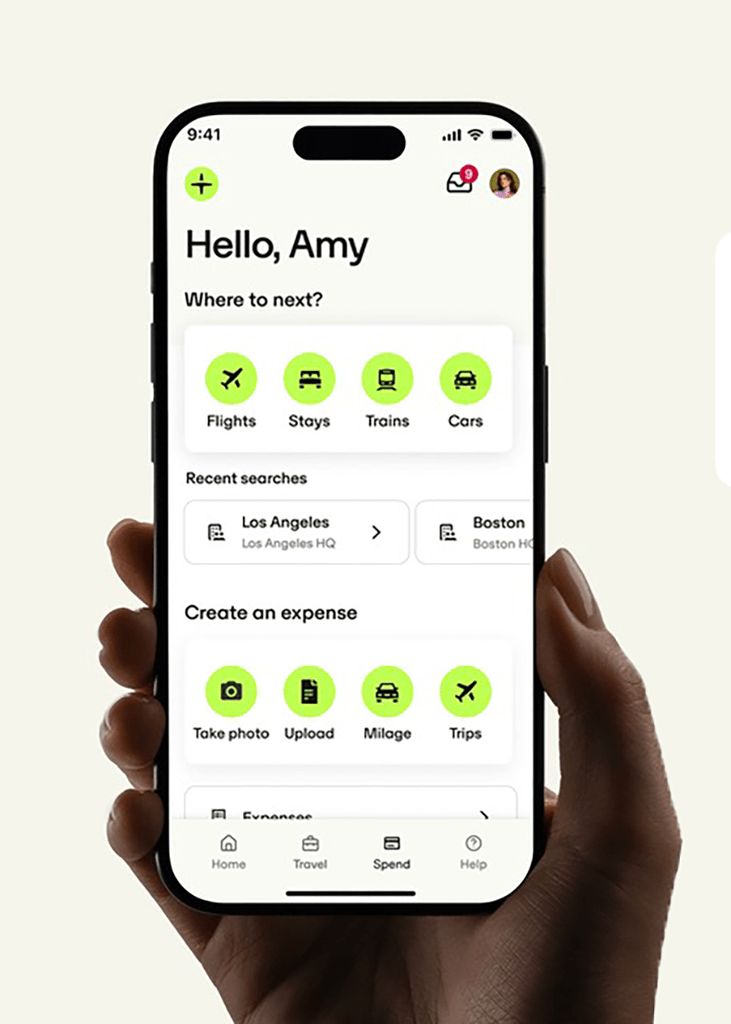
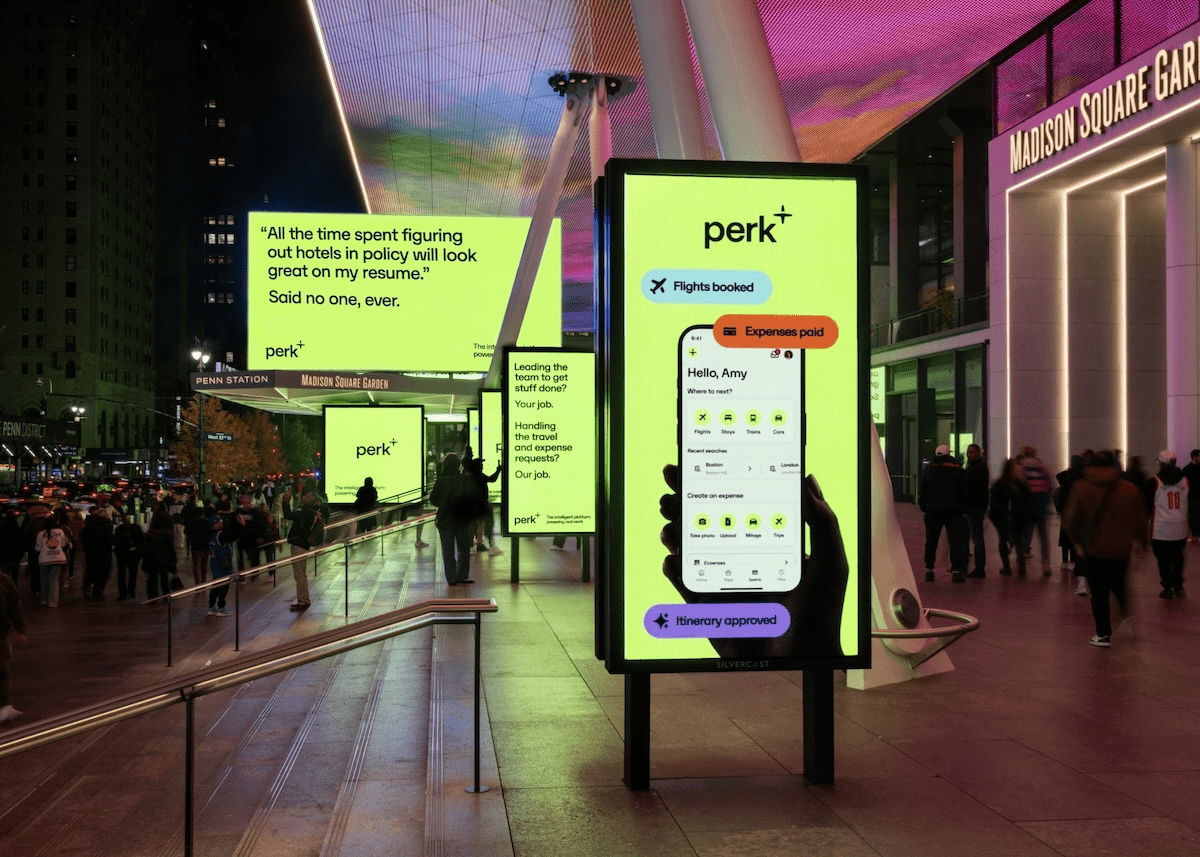
Perk is an intelligent AI-native platform for travel and spend management that brings business travel bookings, events, expense management, and invoice payments into one system. With Perk, teams spend less time on hidden administrative tasks it calls “shadow work” and more time on meaningful work. And with Zendesk for employee service, Perk offers the same benefits for its employees.
“We wanted to take stress off employees so they could focus on their work,” Maria Peiró Martinez, Director of People Operations and Compliance at Perk, says. “That’s good for them, and it’s good for the business.”
From fragmented support to a streamlined operation
Perk’s People Operations and Compliance team supports employees across everything from mundane payroll questions to disruptive life events like bereavement leave. But when Peiró Martinez moved into HR operations in 2020, employee support was anything but streamlined.
“It was chaotic,” Peiró Martinez says. “We had no visibility into what employees needed. There was no data, no learnings—and no automation.”
Five people triaged requests, often relying on one team member to manually sort through emails and assign inquiries. As Perk grew, that model became unsustainable, especially when request volume increased tenfold.
“Keeping everything in the same inbox was not working,” Peiró Martinez says. “Something had to change.”
In late 2021, Peiró Martinez implemented Zendesk, creating a single place for employee requests and bringing visibility into trends and recurring issues.
“We needed to move away from the shared inbox and into a proper ticketing system,” Peiró Martinez says. “Zendesk was already being used by Perk’s CX and IT teams, so the platform was already familiar to us—we were the third team to implement it.”
Requests are tracked, categorized, and routed automatically, eliminating the need for manual triage.
“With Zendesk, we can actually understand what our employees need,” Peiró Martinez says.
And by scaling support through automation and efficiency improvements, Perk has avoided proportional hiring as the company grows.
“Now, we’re saving the equivalent salary of three people operations specialists,” says Peiró Martinez. “That’s more than $200,000 a year.”

Building a modern employee service model
Despite not having a technical background, Peiró Martinez was able to launch Zendesk for ES by herself.
“I think that anyone with a bit of interest can implement the system,” she says. “I’m someone who is naturally curious, so I set the right foundations and built on that.”
Setting aside a block of time, Peiró Martinez directed her focus on the launch.
“The entire process took just about two weeks,” she says. “But it’s important to start small.”
Peiró Martinez began by replacing a shared inbox with a structured ticketing system, starting with a single email channel, basic triggers, and simple automations to confirm receipt and set expectations.
“We were able to grow step by step, adding more functionality after the foundations were in place,” she says. “And the Zendesk community was quite helpful when we got stuck.”

Launching a centralized employee service hub
Working with a member of the engineering team, Peiró Martinez added a Zendesk web widget to their preexisting employee portal.
“We built a small script, creating forms for every HR topic,” she says. “Things like onboarding, offboarding, vacation, parental leave—so employees could quickly choose what they needed.”
From the start, requests were categorized and routed automatically, eliminating manual triage and simplifying how employees accessed support.
“Centralization changed everything,” Peiró Martinez says. “Before, things were scattered. Now, we have one place where everything lives.”
Searchability quickly emerged as the next challenge.
“Employees couldn’t easily find what they needed,” Peiró Martinez says. “That was one of the main drivers for us to expand into Zendesk Knowledge.”
In 2022, Peiró Martinez expanded Perk’s use of Zendesk by implementing Zendesk Knowledge. With this self-service tool, employees can ask questions—and get answers—without ever needing to involve a human agent.
To ensure Perk’s knowledge base was stocked with information based on real questions that employees actually asked, Peiró Martinez organized a content hackathon across the People team.
“We asked everyone to work in pairs to write articles,” she says. “It was a great exercise to make sure the content was complete and relevant before we went live.”
Now, Perk’s knowledge base is the first place employees check if they have a question about how to request time off or what happened to their missing vacation days.
“Before Zendesk Knowledge, employees were coming to us to ask questions about these things,” says Peiró Martinez. “And since launch, we’ve seen a significant decrease in tickets—people are getting answers to HR questions on their own.”

Building an HR tech stack around Zendesk
As Perk scaled its employee service operations, the team also needed an HR platform that could keep up.
“We were using a different system, and we realized we needed something more powerful,” Peiró Martinez says. “And since Zendesk was one of our core tools, integration with other platforms was essential.”
After evaluating several options, Peiró Martinez selected HiBob, a cloud-based HR platform.
“We’re too small for one of the larger providers—we found that it was too expensive and its implementation would have taken over a year,” Peiró Martinez says. “And HiBob integrates seamlessly with Zendesk.”
For Peiró Martinez, the biggest impact came from automation.
“Our team rethought these processes from the ground up,” Peiró Martinez says. “With HiBob, we mapped out key employee journeys—like onboarding—and built automated workflows to support them.”
Tasks in HiBob are now triggered automatically at key moments—whether it’s notifying IT, sending information to new hires, or prompting surveys after an employee’s first month.
“Instead of relying on manual follow-ups, communication is now centralized and event-driven,” Peiró Martinez says. “That shift not only reduced administrative work but it created a more consistent employee experience.”
With Zendesk and HiBob now in tandem, the team can access key employee details across Zendesk tickets, knowledge, and AI-powered experiences.
HiBob acts as the system of record for employee data, while Zendesk operationalizes that data in real-time employee interactions. Requests can be tailored based on location or role, and knowledge can be segmented so sensitive information—like manager guidance—is only visible to the right audiences.
“The workflows really changed our lives,” Peiró Martinez adds.
HiBob allowed Perk to redesign their employee journeys end-to-end. It’s not just a database—it’s the engine behind how they automate, communicate, and deliver consistent experiences at scale.
A clear roadmap: ticketing, knowledge, then AI
With a centralized system in place, Peiró Martinez turned her attention to the next evolution of employee service: artificial intelligence.
“I came back from a conference knowing that we needed to launch AI—but I didn’t know where to start,” she says. “I looked at several platforms.”
The turning point came when Zendesk acquired Ultimate.ai in March 2024.
“It was perfect timing,” Peiró Martinez says. “People don’t want to wait around for an HR answer—they’re used to ordering food or getting next-day delivery, so expectations have changed. That’s what pushed us to bring AI into the experience—so employees can get answers instantly.”
Peiró Martinez advises a scaffolded approach: start with ticketing, then add knowledge, and finally AI. That measured progression is already delivering results at Perk. Today, the AI agent resolves around 60 percent of employee inquiries it receives without any human intervention. This includes onboarding support, time-off and leave requests, benefits and payroll-related questions, system access issues, and document requests.
“Clearly, AI agents are reducing our manual workload,” Peiró Martinez says. “Our first reply time was cut almost in half.”
Peiró Martinez’s next goal is to convert even more common requests into self-service experiences by allowing the AI agent to perform actions in third-party systems, like HiBob. HiBob also has AI built directly into the platform, which helps with reporting, learning recommendations, hiring, and employee self-service.
And AI agents are already helping to avoid awkward conversations.
“There are some employees who don’t want to bother us with personal questions,” Peiró Martinez says. “The AI agents allow employees to ask questions in confidence without needing a human to intervene.”
Perk also brings AI agents into Slack, meeting employees in the channels they use every day.
“I like to meet employees where they are,” Peiró Martinez says.

Using AI to make room for human intelligence
While AI has revolutionized employee service at Perk, it hasn’t removed the need for taking the time to listen and actually understand an employee’s concerns.
“I like to focus on the things that AI cannot replace,” Peiró Martinez says. “And that includes human empathy.”
Automation handles high-volume, repetitive requests, freeing the team to focus on complex situations that require judgment, creativity, and compassion. By removing friction from everyday requests, Perk enables employees to get time back for real work, just as it does for its customers.
“I want people to add value where AI cannot,” Peiró Martinez says. “And that means finding creative solutions, applying critical thinking—and sometimes, just listening.”